
Meet your team
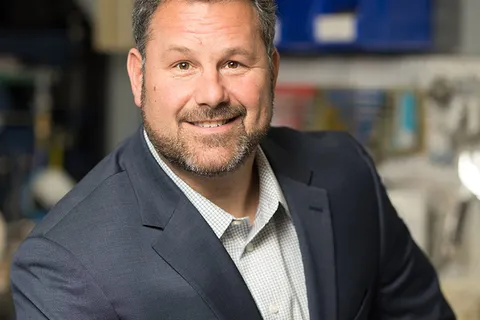
Nate Kapa
Certified Prosthetist

How did you begin your career as a prosthetist?
When I was in high school, I had a teacher who thought I should go into prosthetics. I was 16 years old, so I thought, “this guy’s kind of crazy” — but he inspired me enough that I ended up going to school for biomedical engineering.
What do you love about designing prosthetics?
The way that prosthetics blends an artistic background and science together — and then you get to interface with people and do all of those things — it’s a natural connection for me, and it’s been a great and rewarding career.
What sets Bremer Prosthetics apart for patients?
We assess prosthetic care so much deeper than “there’s a spot in the prosthesis that’s causing pain.” To address the problem, we ask questions like: what activities are you doing; what’s causing this; what’s it limiting you from doing; what are your real goals?
What advice do you have for someone who just lost their limb?
My main advice for someone who has just lost a limb — or who is using a prosthesis and feels like they’re not getting the care they should — is to realize that there is a choice.
What is something important a new amputee should know?
You get to decide who provides the care for your prosthesis and where you get it. Talk to people in the community, like your doctor. Talk to other people who are using a prosthesis.

Ready to take your next step?
See a prosthetist who listens. We'll be in touch within 24 hours, Monday–Thursday.